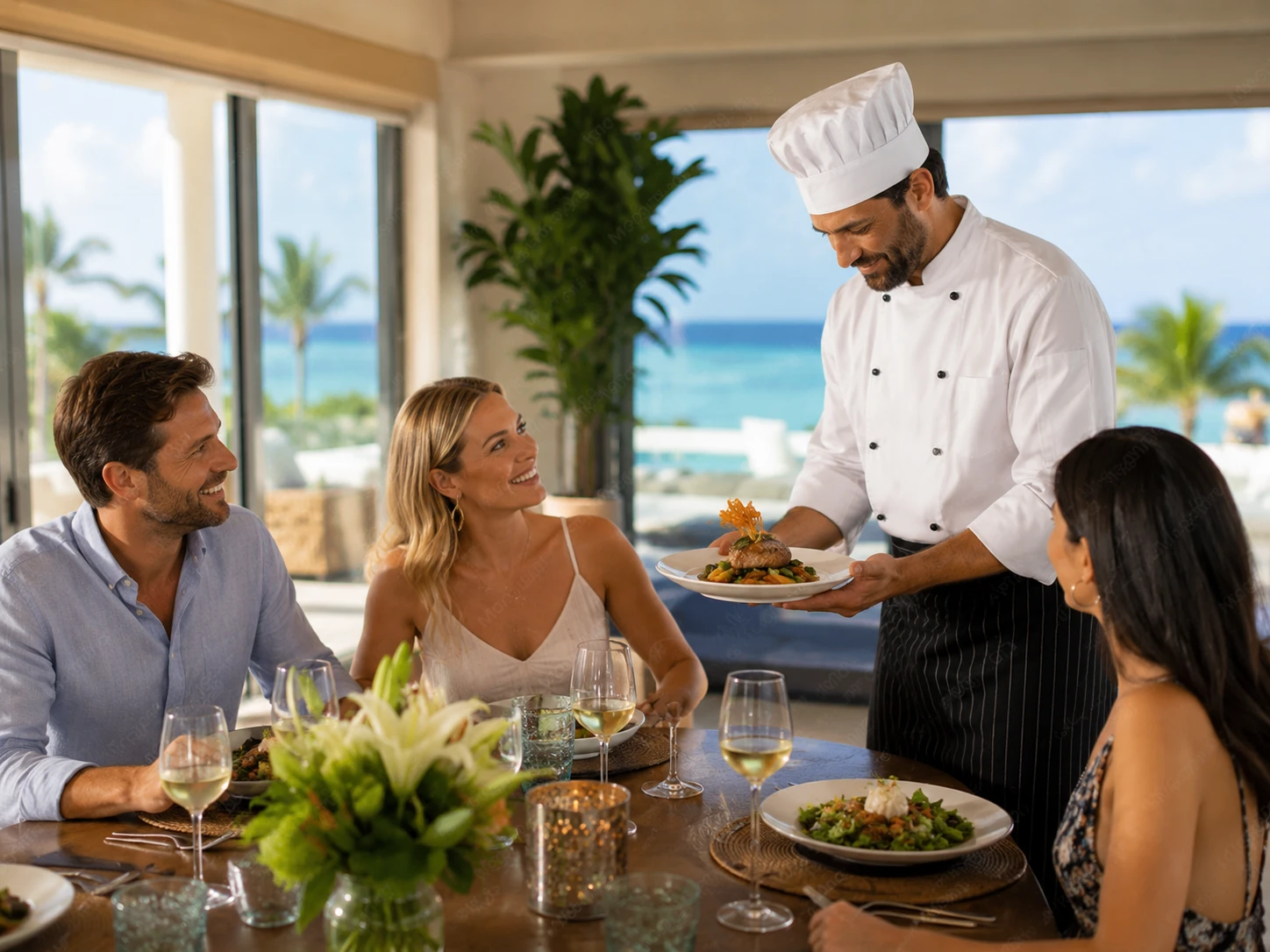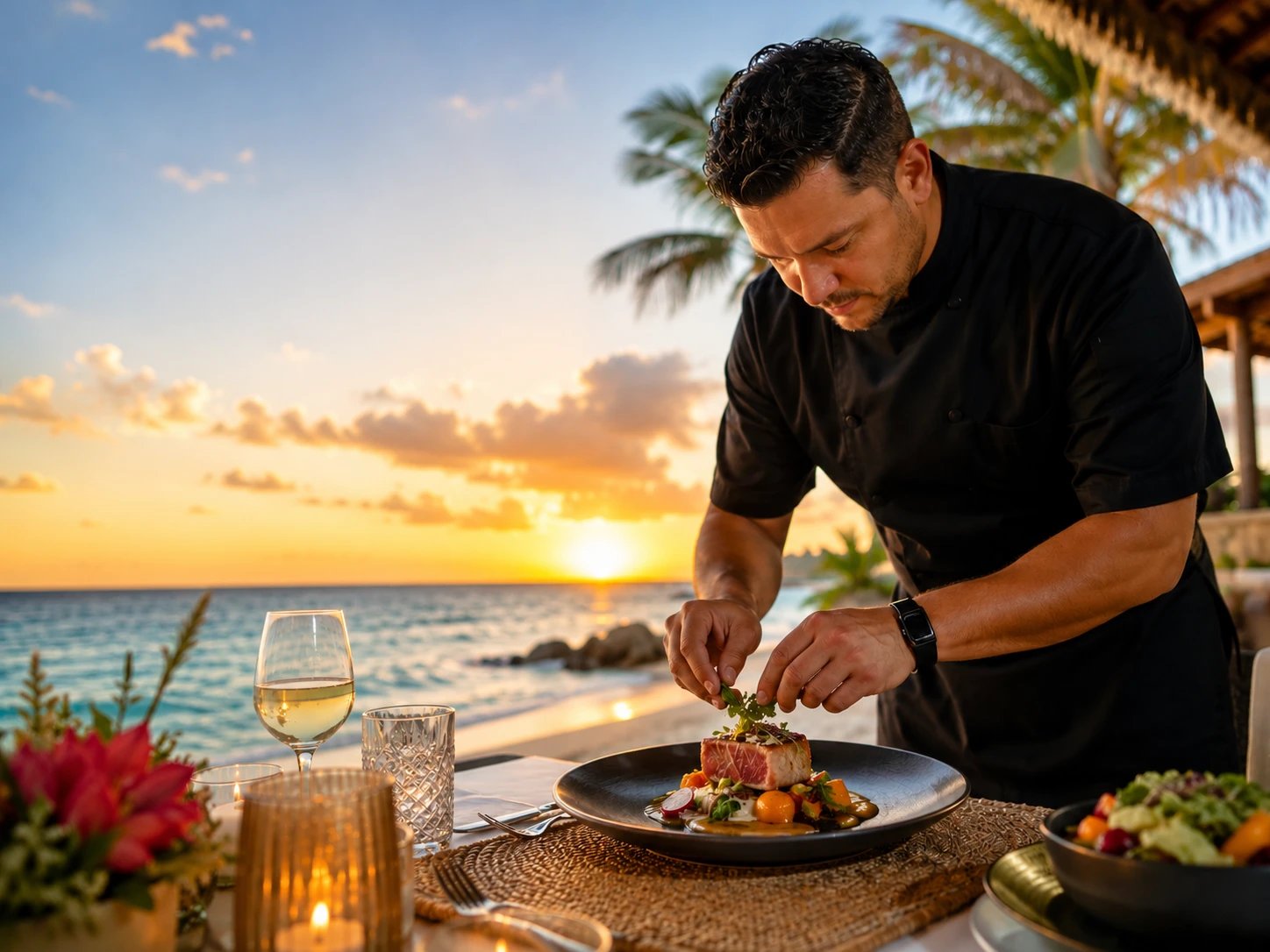
A table set in the sand at sunset can be one of the most memorable meals of an Aruba vacation, but the magic depends on details guests should never have to manage mid-trip. Knowing how to organize private beach dining means choosing the right setting, confirming what is permitted, and arranging a culinary team that can deliver restaurant-quality food while you sit back, relax, and enjoy the view.
Whether you are planning an anniversary dinner for two, a family celebration, a girls’ trip, or an intimate wedding weekend, begin with the experience you want your guests to remember. The menu matters, of course. So do the timing, access, lighting, wind conditions, and level of service. A beautiful beach dinner should feel effortless once you arrive.
Start With the Right Beach Setting
The first decision is not the menu. It is the location. Aruba offers a range of coastal settings, from lively stretches near resorts to quieter shoreline areas and private waterfront homes. The best choice depends on your guest count, the tone of the occasion, and how much privacy you expect.
For a truly intimate evening, a villa with direct beach access or a private event venue is often the simplest option. There is more control over the setup, easier access for chefs and service staff, and a more comfortable backup plan if conditions change. It also allows for elevated details such as a styled tablescape, lounge seating, candles or lanterns, a bartender station, and a longer, more relaxed dinner service.
Public beaches can be beautiful, but they require more planning. Rules may vary by location, and certain elements – including large setups, open flames, amplified music, alcohol service, or commercial equipment – may need approval or may not be allowed. Do not assume that a quiet spot is automatically available for private use. A local dining professional can help assess whether your vision suits the location and what adjustments may be needed.
Match the Location to the Occasion
A proposal or anniversary dinner may call for a secluded setup, a small table, floral accents, and discreet service. A birthday dinner for 12 might need sturdy seating, shade before sunset, easier restroom access, and a team capable of serving multiple courses efficiently. For larger celebrations, a beach-adjacent villa or approved event space can preserve the oceanfront feeling without making logistics unnecessarily complicated.
Privacy also means different things to different travelers. Some guests want a quiet corner with minimal foot traffic. Others are happy with an energetic beach atmosphere as long as their table feels special. Be clear about that distinction when planning.
How to Organize Private Beach Dining Around Sunset
In Aruba, sunset is understandably the most requested dining window. It is also the time when beaches are busiest, light changes quickly, and service details matter most. Aim to have guests seated 45 to 60 minutes before sunset. That gives everyone time to enjoy a welcome drink, take photos in flattering natural light, and settle into the first course before darkness arrives.
A sunset dinner should not be planned by the clock alone. Consider travel time from your villa, the time needed to walk across sand, and whether older relatives or young children will be comfortable arriving early. If the meal is on a beach without nearby facilities, a late start can feel less glamorous once guests are navigating uneven ground in the dark.
Lighting deserves early attention. Candlelight is lovely, but wind can make it unreliable, and it may not provide enough visibility for a multi-course meal. Hurricane lamps, enclosed candles, low-profile LED lighting, and discreet table lamps can create warmth without overpowering the setting. Your dining team should also plan functional lighting for food service and safe movement after sunset.
Choose a Menu That Travels Well and Feels Special
Beach dining is not the place to force a menu that is overly delicate or difficult to serve outdoors. The most successful meals balance refinement with practicality. Fresh local seafood, Caribbean-inspired starters, grilled proteins, vibrant salads, and composed desserts can feel celebratory while holding up beautifully in warm conditions.
Start with your group rather than a fixed menu. Share the number of guests, dietary needs, children’s ages, preferences, and the occasion. A chef can then shape a meal with the right pace and level of indulgence. A couple may prefer an elegant plated dinner with wine pairing. A multigenerational family may enjoy shared starters, a seafood and steak main course, and familiar options for younger guests. A festive group may prefer a live BBQ or paella experience, cocktail service, and generous shareable dishes.
Be specific about allergies and restrictions well in advance. Gluten-free, vegetarian, vegan, dairy-free, kosher-style, and shellfish-free needs are manageable with thoughtful planning, but beach events allow less room for last-minute changes. The chef should understand not only what guests cannot eat, but whether there is a serious allergy requiring separate preparation and service precautions.
Drinks should be planned as carefully as dinner. Sparkling wine at arrival, tropical mocktails, a curated wine pairing, or a private mixologist can set the tone. For a relaxed meal, keep the beverage offering focused. Too many choices can create more setup, more glassware, and more distractions from the setting itself.
Build the Service Level Into the Experience
The difference between food delivered to a beach and private beach dining is the service. Decide early whether you want a chef-only experience, a chef with waitstaff, or full event support with bartenders and styled setup.
For a smaller dinner, a chef may prepare and serve the meal with minimal additional staffing. This can feel personal and informal, especially at a villa. Once the guest count grows, dedicated waitstaff make a noticeable difference. They can greet guests, pour drinks, clear courses, refresh water, manage timing, and keep the table polished while the chef focuses on the food.
Full-service support is especially valuable for milestone events. You should not be arranging chairs, locating extra ice, or clearing plates while wearing your vacation attire. A carefully coordinated team handles setup, cooking, service, and cleanup, allowing the host to be present with the people they invited.
When booking, ask what is included in the quoted experience. Confirm tableware, linens, glassware, serving pieces, seating, décor, lighting, transportation, staffing hours, and cleanup. If the meal is at a villa, clarify kitchen access and whether the chef will bring specialty equipment. Clear inclusions prevent surprises and help you compare options fairly.
Plan for Wind, Weather, and Comfort
Aruba’s sunshine is part of the appeal, but a beach dinner needs a weather-aware plan. Wind can affect flames, napkins, florals, glassware, signage, and even the way food is plated. A seasoned local team will use weighted décor, secure linens, appropriate serving equipment, and a setup that remains elegant when the breeze picks up.
Ask about the rain or high-wind contingency before you commit. At a private villa, this may mean moving the dinner to a covered terrace or dining area. At an event venue, it may mean a protected alternative space. If your dinner must happen directly on an exposed public beach, flexibility becomes more limited, which is a trade-off worth understanding.
Guest comfort is equally important. Consider footwear for sand, a clear path from parking or the villa, shade if the event begins before sunset, and insect protection when appropriate. For formal dinners, let guests know the ground conditions in advance so no one arrives in shoes that make the walk difficult.
Book Early and Share a Clear Brief
The most sought-after dates, particularly holiday weeks, wedding season, and peak vacation periods, can book well ahead. Reach out as soon as your travel dates and guest count are reasonably firm. You do not need every floral detail decided, but you should know your preferred date, general location, occasion, group size, and approximate budget.
A strong planning brief includes the mood you want: romantic and quiet, polished and formal, festive and social, or relaxed family-style. Include any non-negotiables, such as a sunset toast, a seafood-forward menu, a surprise dessert, or a champagne sabering moment. Photos of the space can also help the culinary team anticipate access, kitchen facilities, and layout possibilities.
My Private Chef Aruba can match travelers with vetted chefs and event dining professionals based on the style of meal, group needs, and location. That curated approach is particularly useful when a beach dinner requires more than exceptional food – it requires local coordination, trusted service, and a thoughtful plan for every detail around the table.
The best private beach dining experiences leave room for the unexpected beauty of the evening: a changing sky, a toast that runs long, children playing at the waterline, or one more bottle opened after dessert. Plan the essentials carefully, then let the island do the rest.