The best vacation meals are usually the ones nobody had to work for. Not the reservation you rushed to make between beach time and sunset, and not the grocery run that somehow turned into an hour of logistics. A smart destination dining planning guide starts with a simple question: how do you want this trip to feel when everyone finally sits down to eat?
In Aruba, that question matters more than most travelers expect. Dining is not just another line item on the itinerary. It shapes the pace of your stay, the tone of your celebration, and how much actual relaxing you get to do. Whether you are planning a birthday dinner at your villa, a beachfront brunch with friends, or several chef-prepared meals across a weeklong stay, the right plan turns dining into part of the vacation rather than another thing to manage.
Why a destination dining planning guide matters
When people think about trip planning, they usually focus on flights, accommodations, and activities first. Meals often get pushed to later, especially when a villa has a beautiful kitchen and everyone assumes they will figure it out on arrival. That approach sounds flexible, but it often creates the exact kind of friction travelers are trying to avoid.
Group meals come with real moving parts. You need to account for timing, dietary preferences, guest count, kitchen access, service style, and whether the occasion calls for something casual or more elevated. Add a destination setting, unfamiliar grocery options, and a limited vacation schedule, and food planning can become surprisingly time-consuming.
That is why destination dining works best when treated as part of the experience design. Instead of asking, “Where should we eat?” every few hours, you decide in advance which meals should feel celebratory, which should be easy, and where a private chef or catered setup adds the most value.
Start with the trip, not the menu
The most effective destination dining planning guide does not begin with a list of dishes. It begins with the shape of the trip.
A couple on a romantic getaway needs something different from a family with small children or a group hosting a bachelorette weekend. A three-night stay may call for one signature dinner and an arrival platter. A seven-night villa vacation may benefit from a mix of private breakfasts, one beach BBQ, and a polished final-night dinner with wine pairing.
Think about energy, not just appetite. On some days, guests want a relaxed breakfast at home before heading out. On other days, they want to return from the beach, shower, and walk into a beautifully set table without making a single decision. If you are hosting a milestone occasion, that meal often deserves its own dedicated plan rather than being squeezed between excursions.
Once you know which moments matter most, menu decisions become much easier.
Match the dining style to the occasion
Not every event should be formal, and not every casual meal should feel improvised. The strongest dining plans are the ones that match the mood.
For anniversaries, proposal dinners, and adult group celebrations, plated service creates a more refined atmosphere. It gives the evening a clear rhythm and lets guests stay present. For birthdays, family gatherings, and larger villa stays, shared courses or buffet-style service can feel more social and relaxed while still delivering restaurant-quality food.
Then there are experiences built around the setting itself. A paella evening outdoors, a chef-led BBQ by the pool, or a beautifully styled brunch for a girls’ trip can be more memorable than a formal dinner simply because it fits the trip better. This is where local expertise matters. The best choice is not always the fanciest one. It is the one that works with your space, your group, and the way you want the day to unfold.
Build around real logistics
Luxury feels effortless to the guest, but it depends on good planning behind the scenes. Before you confirm any dining experience, make sure the fundamentals are clear.
Guest count is the first detail to lock in. A dinner for six has very different service needs than a birthday event for twenty. Your accommodation matters too. Some villas are perfect for chef service, while others may need creative adjustments for prep space, equipment, or table setup.
Timing is another common blind spot. Sunset dinners sound ideal, but they need to be coordinated around when guests are actually ready, when service should begin, and how long the meal is expected to last. If you are booking multiple experiences across a trip, spacing matters. Two big dinners back to back can feel heavy. A better flow might be an arrival platter on day one, a chef breakfast or brunch mid-stay, and a signature dinner near the end.
Dietary needs should be addressed early and clearly. This is especially important in mixed groups where some guests want indulgence and others need gluten-free, vegetarian, or allergy-conscious options. A curated chef service can make those adjustments without making the menu feel limited, but only if the information is shared in advance.
What to ask before booking
A polished experience usually comes down to the quality of the questions asked before the date is confirmed.
Ask who the chef is and how the match is made. That matters because different chefs have different strengths, from elegant plated dinners to festive live-cooking formats. Ask what is included in the service beyond food preparation. Table setup, cleanup, serving staff, bartenders, mixologists, and wine pairing can all affect the tone of the event.
You should also ask how customized the menu can be. Some travelers want a signature Caribbean-forward dinner. Others want familiar favorites elevated for a private setting. Neither approach is wrong. The goal is to create a meal that suits the guests rather than forcing the occasion into a preset format.
Payment structure and booking protection are worth clarifying too, especially for destination events. Premium travelers are not just paying for food. They are paying for confidence that the evening will be handled professionally.
The case for private chef dining in Aruba
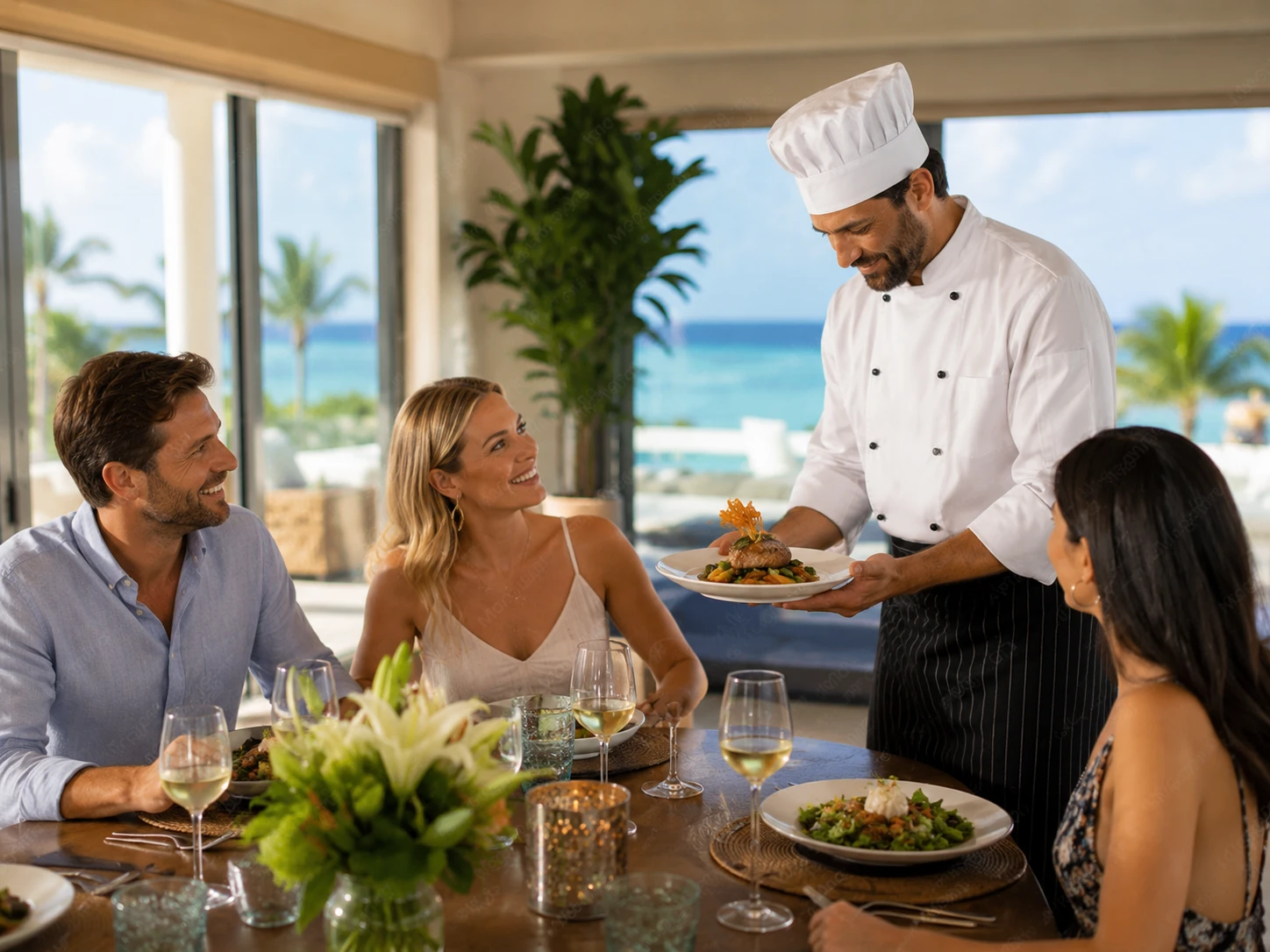
Aruba is one of those destinations where private dining makes immediate sense. Villas, private homes, and celebration rentals are part of the appeal, and chef service lets guests enjoy those spaces fully.
Instead of organizing transportation, managing reservations for a large party, or splitting up over different dining preferences, everyone stays together. The setting is private. The pacing is relaxed. The experience feels personal in a way that restaurant dining often cannot, especially for birthdays, anniversaries, family trips, and group celebrations.
This is where a concierge-style service becomes especially valuable. Rather than searching for one chef and hoping the fit is right, travelers can be matched with vetted culinary professionals based on occasion, group size, and menu preference. That curated approach is one reason services like My Private Chef Aruba resonate with travelers who want elevated dining without guesswork.
A simple destination dining planning guide for multi-day stays
For longer vacations, the smartest approach is variety with intention. You do not need every meal catered, and most groups do not want that. What they want is relief at the right moments.
Start with arrival. After flights and check-in, guests are rarely in the mood to shop or cook. An arrival platter, grazing setup, or easy first-night dinner removes stress immediately.
In the middle of the trip, think about convenience. A chef-prepared breakfast or brunch can be ideal after a late night or before a day on the water. Casual lunch service can also make sense on pool days when nobody wants to leave the property.
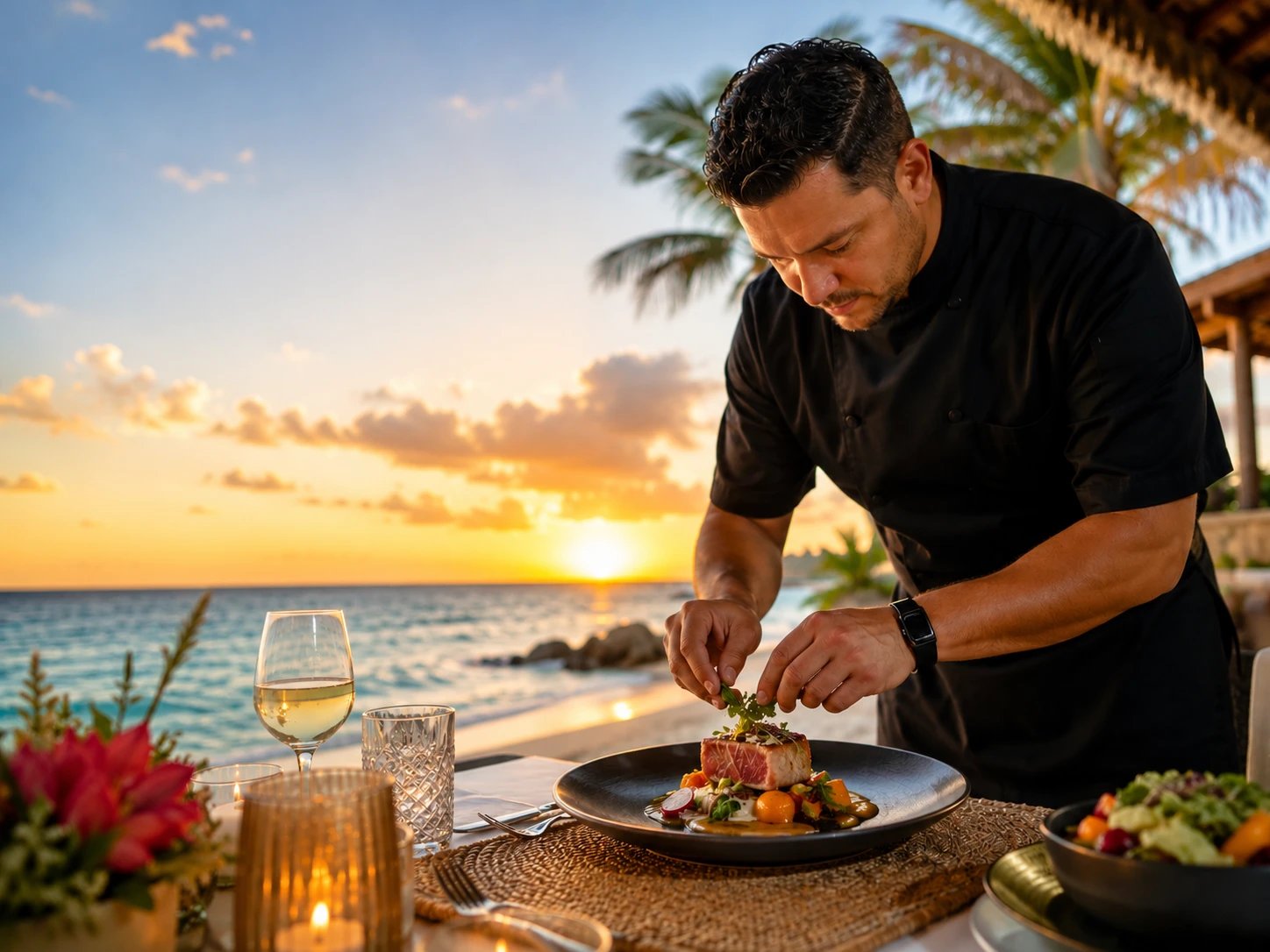
Toward the end of the stay, plan the signature meal. This is where you bring in the full experience – customized menu, beautiful service, maybe a bartender or wine pairing, and a setting that feels worthy of the trip itself. If there is a special occasion involved, this is often the moment guests remember most.
Where people tend to overplan and underplan
Some travelers overplan the menu and underplan the experience. They spend too much time choosing between dishes and not enough time thinking about service style, timing, or atmosphere. Others do the opposite and assume a good chef alone will handle everything. In reality, the best results come when both are considered together.
A six-course dinner may sound impressive, but it may not suit a lively family group with young kids. A beach setup may look beautiful in photos, but it needs to be realistic about wind, heat, and setup timing. A large brunch can be wonderful after a celebration, but only if the group is likely to be awake and ready to enjoy it.
There is always some trade-off between ambition and ease. A more elaborate event creates a bigger visual and culinary moment, but it also benefits from more structure. A simpler format may feel more relaxed and fit the vacation rhythm better. Neither is automatically better. The right answer depends on the trip.
Make dining part of the memory
The strongest travel itineraries leave room for pleasure that feels unhurried. That is exactly what good dining planning creates. It gives your group a place to gather, a reason to linger, and a way to celebrate without anyone stepping into the role of shopper, cook, server, or cleanup crew.
If you plan it well, dinner becomes more than dinner. It becomes the night everyone talks about at the airport, the birthday toast that felt just right, the final evening that made the villa feel even more special. When your meals are designed with the same care as the rest of the trip, sitting back and relaxing starts to feel like the whole point.