A beautiful dinner in your Aruba villa loses its shine fast if one guest is quietly wondering whether the sauce contains dairy, the grill touched shellfish, or the dessert was made with nuts. That is why can chefs handle dietary restrictions is such a practical question, especially when you are planning a vacation meal that is meant to feel easy, celebratory, and completely taken care of.
The short answer is yes, experienced chefs can often handle dietary restrictions very well. The better answer is that it depends on the type of restriction, the kitchen setup, the menu style, and how clearly everything is communicated before the event. When those pieces are handled properly, guests with food allergies, intolerances, religious requirements, or lifestyle preferences can enjoy the same sense of occasion as everyone else.
Can chefs handle dietary restrictions for private dining?
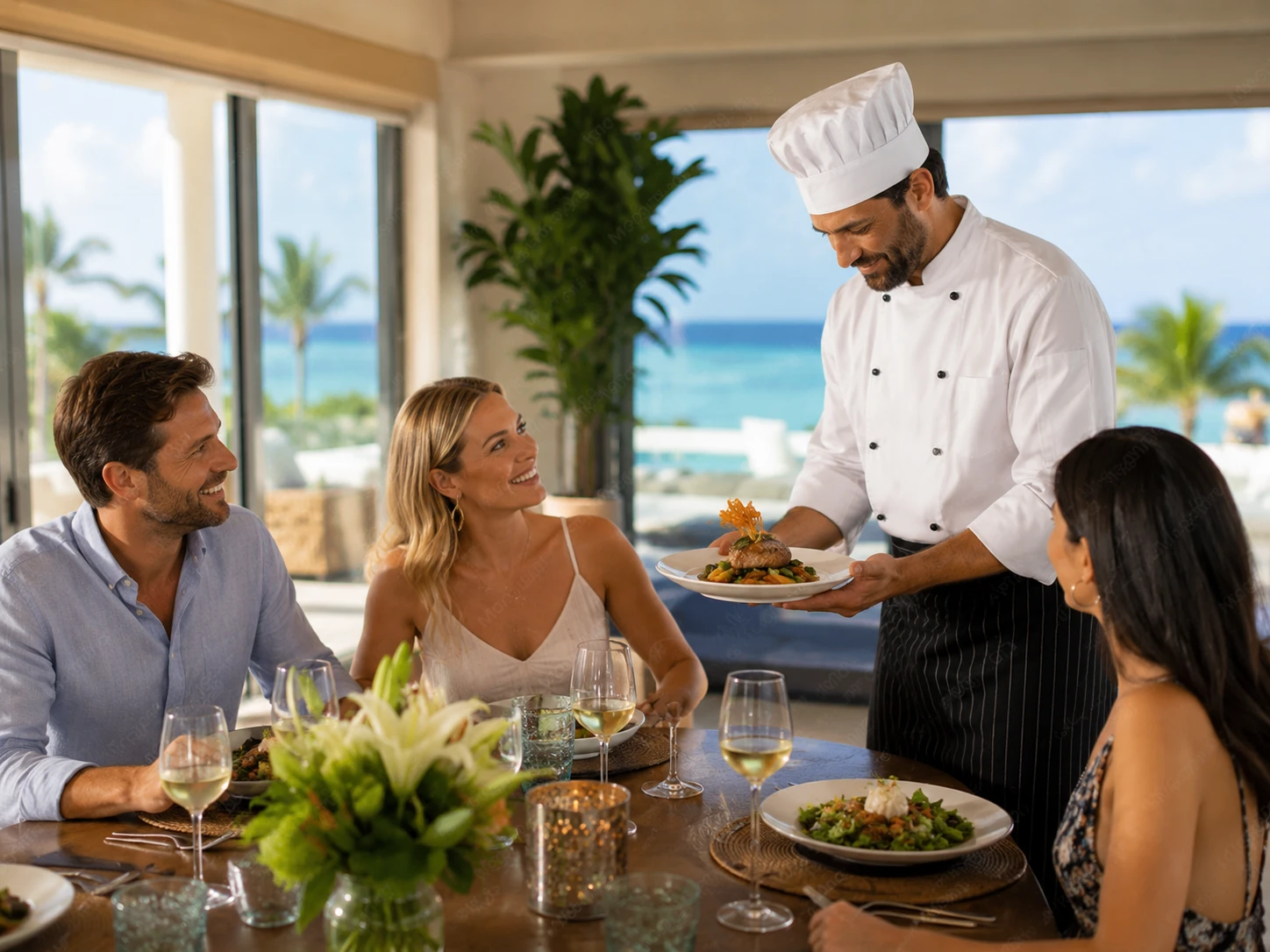
In most cases, yes. Private chefs are often better positioned than busy restaurant kitchens to adapt menus because the experience is built around your group from the start. Instead of squeezing a special request into an existing service, the chef can design a meal around who is actually sitting at the table.
That matters more than many travelers realize. A family might need one gluten-free guest, one dairy-free guest, and two children who are picky eaters. A birthday dinner might include a shellfish allergy, a vegetarian guest, and someone avoiding alcohol in sauces or pairings. In a restaurant, those needs can sometimes feel like exceptions. In a private dining setting, they become part of the planning.
Still, not all restrictions are equal. A guest who prefers low-carb options presents a different level of complexity than a guest with severe celiac disease or an anaphylactic nut allergy. A polished chef will tell you what can be accommodated confidently, what requires modifications, and where extra caution is needed.
What chefs can usually accommodate
Most seasoned private chefs can build menus around vegetarian, vegan, gluten-free, dairy-free, pescatarian, low-carb, kosher-style, halal-style, and child-friendly preferences. They can also adjust spice levels, omit ingredients, and create alternatives for individual guests without making the meal feel separate or second-rate.
The key word is usually. A chef may be able to prepare a gluten-free dinner, for example, but if the kitchen in a rental villa has not been set up to avoid cross-contact and contains pantry staples from previous guests, there may still be limitations. The same goes for shellfish or nut allergies if the menu concept involves ingredients commonly used in those categories.
This is where good planning changes the experience. A chef who knows the group profile in advance can choose dishes that naturally reduce risk instead of trying to patch around it later. That tends to produce a better meal for everyone at the table.
The difference between preferences and medical restrictions
One of the most helpful things you can do is separate preferences from true medical needs. Chefs can work with both, but they need to be labeled correctly.
If someone says they are “gluten-free” because they generally feel better avoiding bread, that is different from a guest with diagnosed celiac disease who cannot tolerate cross-contact. If a guest dislikes onions, that is different from a serious allium sensitivity. If someone is plant-based but flexible with butter in a sauce, that creates a wider lane than a strict vegan requirement.
Clear categories help the chef make smart decisions about ingredients, preparation methods, and whether separate cookware or service adjustments are necessary. It also protects the guest. Assumptions are where problems begin.
When dietary restrictions become more complex
The most sensitive cases usually involve severe allergies, multiple overlapping restrictions, or requirements tied to strict religious observance. None of these automatically rule out a private chef experience, but they do call for a more careful process.
A guest with a severe nut allergy may need more than a simple ingredient swap. The chef may need to avoid products manufactured in shared facilities, rethink dessert components, and consider every garnish, sauce, and packaged item brought into the villa. A guest who is both dairy-free and gluten-free may need a menu designed from the ground up rather than modified after the fact.
Religious dietary needs can also vary in practice. Some guests are comfortable with kosher-style or halal-style menus that follow ingredient rules without formal certification. Others need food sourced and handled according to stricter standards. A professional chef or concierge should ask respectful follow-up questions instead of making assumptions.
Why private chefs often handle restrictions better than restaurants
Restaurants do many things well, but they are managing many tables, many orders, and one shared kitchen during a tight service window. Private dining is different. The chef is focused on your group, your menu, and your setting.
That means more control. The shopping list can reflect your needs from the beginning. Courses can be paced for your event. Ingredients can be selected with specific restrictions in mind. The chef can also explain the menu directly, answer questions in real time, and make adjustments before service starts.
For travelers staying in a villa, this creates a more relaxed kind of confidence. You are not scanning a menu under pressure or relying on a server to relay a complicated allergy note back to the kitchen. The experience feels more personal because it is.
How to ask the right questions before booking
If you are wondering can chefs handle dietary restrictions for your group, the best answers come before the first grocery item is purchased. Start with specifics. Tell the booking team or chef exactly which guests have restrictions, what those restrictions are, and whether they are medical, religious, or preference-based.
It also helps to ask how the chef approaches cross-contact, substitutions, and customized plating. If one guest has restrictions, will the entire menu be designed around that guest, or will there be separate components? Neither approach is automatically better. It depends on the group, the severity of the restriction, and the kind of meal you want.
For vacation dining, simplicity often wins. A menu built to suit the whole table can feel more elegant than several separate versions of the same course. It reduces confusion and keeps the service flowing smoothly.
What a well-planned restricted menu looks like
A thoughtful restricted menu should still feel generous, polished, and vacation-worthy. It should not read like a list of omissions.
Instead of focusing on what is missing, strong chefs build around what works beautifully. A dairy-free menu might feature bright island seafood, grilled vegetables, coconut-based sauces, and fruit-driven desserts. A gluten-free dinner can still include crisp textures, rich proteins, vibrant sides, and refined plating. Vegetarian menus can feel every bit as celebratory as meat-centered ones when they are designed intentionally.
This is where chef matching matters. Some chefs are especially strong with seafood-focused menus, some excel at family-style comfort with elevated presentation, and others are outstanding at plant-forward or wellness-driven cooking. A concierge approach can make a real difference by pairing the group with a chef whose style fits both the occasion and the restrictions.
Why communication matters more on vacation
Travel adds extra variables. Guests may be staying in unfamiliar kitchens, planning around excursions, or coordinating meals for large groups with shifting preferences. Some are celebrating a milestone and do not want dietary needs to become the center of attention. Others are feeding children, grandparents, and friends with very different habits at the same table.
That is exactly why early, calm communication matters. The more the chef knows in advance, the more effortless the event feels when it arrives. A good private chef experience should leave your group free to sit back, relax, and enjoy restaurant-quality menus without the stress of managing every detail yourselves.
Services like My Private Chef Aruba are built around that kind of coordination. The value is not just in cooking the meal well. It is in matching the right chef, clarifying needs early, and creating a dining experience where every guest feels considered.
So, can chefs handle dietary restrictions?
Yes, and often exceptionally well, when the setup is right. The best results come from honest communication, realistic expectations, and a chef who treats dietary needs as part of hospitality rather than an inconvenience.
If your group includes food allergies, intolerances, or specific preferences, do not assume that private dining will be too complicated. Ask the detailed questions, share the information early, and let the menu be built with care. The right chef can turn a potentially stressful part of travel into one of the easiest and most memorable meals of your stay.
A great vacation dinner is not just about what is served. It is about everyone at the table feeling comfortable enough to enjoy it.